
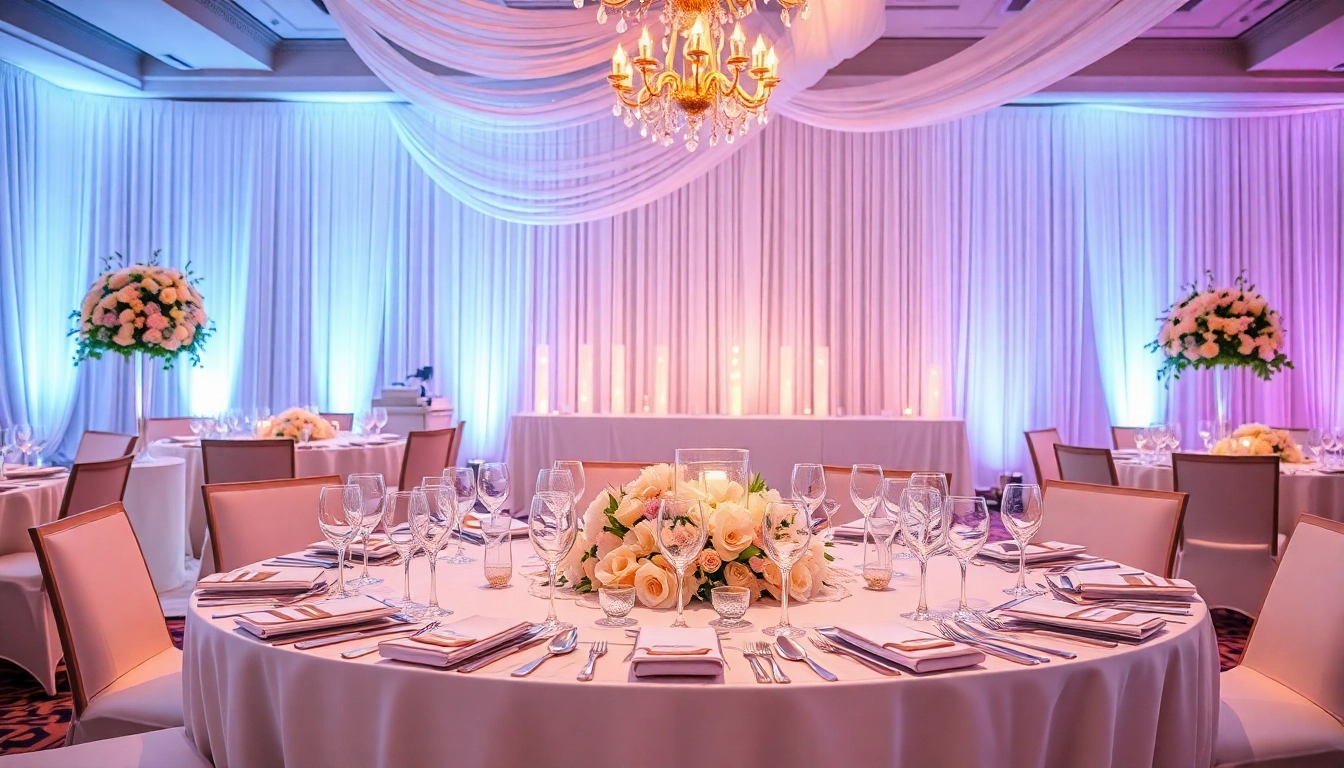
Understanding the Importance of Event Planning
Event planning goes beyond simply placing tables and chairs in a room; it is about creating an experience that resonates with attendees. A well-conceived event can cultivate lasting memories, foster connections, and drive business objectives. As professionals delve into the components of event planning, ensuring a foundation based on strategic goals and audience insights becomes paramount, just as it is for https://www.casablancahire.co.uk/.
Defining Event Objectives
Every successful event begins with clear, defined objectives. These objectives serve as the backbone of the planning process and can vary greatly depending on the nature of the event. For instance, objectives may range from launching a new product, raising funds for a charity, or generating leads. Establishing Smart Goals—Specific, Measurable, Achievable, Relevant, and Time-bound—can significantly streamline efforts and ensure all aspects of the event align with these aims. For example, if your goal is to generate leads, plan activities that engage attendees and encourage them to fill out contact forms.
Identifying Your Target Audience
Understanding the audience who will attend the event is essential. This includes demographics such as age, profession, interests, and even cultural aspects. Engaging a relevant audience increases participation and enhances the success of meeting your defined objectives. Tools such as surveys, social media insights, and past event analytics can provide valuable information on your target audience. The more tailored your event is to their preferences needs, the more impactful it will be.
Setting a Realistic Budget
Budgeting is a critical aspect of event planning that often determines the scope of creativity. Begin by listing all potential costs, which may include venue rental, catering, decor, entertainment, marketing, and technology costs. Be sure to account for both fixed and variable expenses while also leaving room for unexpected costs. Allocate funds based on your event objectives and prioritize those elements that directly influence the attendee experience. Careful management allows flexibility while ensuring all bases are adequately covered.
Selecting the Right Venue for Your Event
The venue sets the stage for the event and can shape the entire experience. Beyond aesthetics, selecting the right venue involves managing logistical considerations.
Key Factors to Consider
When selecting a venue, consider factors such as location, capacity, accessibility, and ambiance. The site should be easily reachable for your target audience and have sufficient space to accommodate attendees comfortably. Additionally, consider the facilities available, including restrooms, parking, and technology provisions such as Wi-Fi and A/V equipment. Engaging with venue staff during the selection process can provide insights into what logistical challenges may arise.
Popular Venue Types
Deciding on a venue type is crucial. Options may include hotels, convention centers, outdoor spaces, or unique venues like museums or art galleries. Each type offers different atmospheres and level of service. For example, a hotel may provide inclusive packages that cover food and accommodation, whereas a unique venue could offer distinctive backdrops that add character to the event.
Booking and Contracting Essentials
Once a venue is chosen, the next step is to communicate clearly with the management. Ensure that all details are in written contracts, including deposit requirements, cancellation policies, and what services are included. Periodically reviewing the contract and keeping communication transparent help protect against misunderstandings or unexpected charges.
Essential Equipment for Successful Events
To make an event engaging and impactful, having the right equipment is essential. This helps in running aspects of the event smoothly and keeping the audience engaged.
Audio-Visual Equipment Requirements
Audio-visual equipment such as microphones, speakers, and projectors play a vital role in the event. Depending on the venue size and audience, requirements differ. Testing the equipment prior to the event is crucial to prevent technical glitches on the day. Consider hiring professionals for setup and management to ensure everything runs seamlessly.
Furniture and Layout Options
The layout of furniture can greatly influence guest interaction and satisfaction. Options like theater-style seating, round tables for dining, or lounge-style seating for networking can create varied atmospheres. Assess the type of event when deciding on the layout, ensuring that it aligns with the objectives and encourages guest participation.
Decor and Theming Ideas
Effective decor conveys themes and enhances the overall aesthetic of the event. Consider elements such as color schemes, display installations, and signage that aligns with the event objectives. Unique decor can create exciting Instagram-worthy moments that may boost marketing efforts pre and post-event through social sharing. Ensure decorations do not detract from the primary event focus and enhance the overall experience.
Engaging Your Guests with Innovative Activities
Creating engaging activities can enhance the overall experience and ensure attendees leave with positive memories. Activities should be interactive and promote participation.
Unique Entertainment Options
Entertainment can take many forms. Consider incorporating live performances, guest speakers, or workshops that are relevant to the audience. Unique activities such as flash mobs, photo booths, or themed costumes can energize the crowd. Balancing entertainment with professional aspects can leave attendees feeling rejuvenated and enriched.
Interactive Experiences for Attendees
Interactive activities such as Q&A sessions, brainstorming rounds, and hands-on demonstrations can increase attendee engagement. Gamification can also be applied, creating friendly competition through games or challenges that tie into event goals. Interactive elements cater to different attendee preferences, making the experience more enjoyable and memorable.
Mobile Event Apps for Real-time Engagement
Harnessing technology through mobile event apps can provide real-time engagement. These apps can feature schedules, messaging alerts, networking forums, and interactive polls. Attendees can engage digitally, offering feedback and participating in real-time discussions. This technology can enhance communication and build community among attendees.
Evaluating Event Success Metrics
Understanding the impacts of your event is essential in assessing its success and improving future initiatives. Evaluating success metrics should be an integrated aspect of the planning process, not an afterthought.
Gathering Feedback from Attendees
Surveying attendees post-event is one of the most effective ways to gauge success. Utilize both qualitative and quantitative questions to gather insights about various aspects, such as venue, speakers, and overall experience. Being receptive to feedback allows for adjustments and improvements in future events.
Analyzing Attendance and Engagement Data
Attendance tracking provides valuable data for understanding demographics and engagement levels during the event. Analyze which sessions or activities attracted the most participation, and adjust future plans accordingly. Metrics such as social media engagement and event app usage can also yield insights about attendee interests.
Continuous Improvement for Future Events
After gathering and analyzing data, create an action plan for improvement. Use the insights to enhance the next event, aligning more closely with attendee expectations and preferences. Constant evaluation and adaptation amplify the success of future planning efforts.
Frequently Asked Questions
What is the first step in event planning?
The first step is to define your event objectives, set clear goals that align with your overall strategy, and determine the purpose of the event.
How do I choose the right venue?
Consider key factors like location, capacity, accessibility, facilities, and ambiance to ensure the venue aligns with your event’s objectives and audience needs.
What equipment is essential for events?
Essential equipment includes audio-visual setups, furniture, decor items, and technology for interactive experiences ensuring the smooth running of the event.
How can I keep attendees engaged throughout the event?
By offering unique entertainment options, interactive experiences, and utilizing mobile apps for engagement, you can maintain participants’ interest effectively.
How do I measure the success of my event?
Measure success through attendee feedback, analyzing engagement data, and aligning outcomes with predefined objectives. Continuous improvement plans are also vital.


